Buy wassergaertner.eu ?
We are moving the project
wassergaertner.eu .
Are you interested in purchasing the domain
wassergaertner.eu ?
domain@kv-gmbh.de · 0541-91531010
Buy wassergaertner.eu ?
What are mitochondria?
Mitochondria are membrane-bound organelles found in the cells of most eukaryotic organisms. They are often referred to as the powerhouse of the cell because they are responsible for producing the majority of the cell's energy in the form of adenosine triphosphate (ATP) through a process called cellular respiration. Mitochondria have their own DNA and are believed to have originated from ancient bacteria that were engulfed by a primitive eukaryotic cell through a process called endosymbiosis. They play a crucial role in various cellular functions, including metabolism, signaling, and cell death. **
Why are mitochondria important?
Mitochondria are important because they are the powerhouse of the cell, producing the majority of the cell's energy in the form of ATP through the process of cellular respiration. This energy is essential for various cellular functions, including growth, repair, and division. Additionally, mitochondria play a crucial role in regulating cell metabolism, signaling, and cell death. Dysfunction of mitochondria has been linked to various diseases, highlighting their importance in overall cellular health and function. **

Similar search terms for Mitochondria
Top-Angebote
Products related to Mitochondria:
-
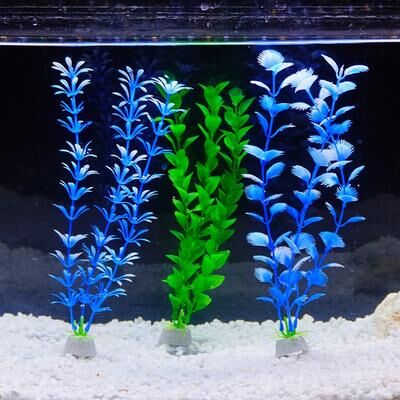
Inspire Select Glow Silicone Aquarium Plants Fluorescent Aquatic Grass & Coral Decor For Fish Tank Landscaping green Water GrassTurn your aquarium into a glowing underwater paradise that instantly grabs attention and makes your fish tank feel alive. These fluorescent aquarium plants are designed to add vibrant color, depth, and natural beautywithout the upkeep of real...53,99 $*Shipping: 0,00 $Secure redirect to the provider
-
Frances Lincoln New Wild Garden & RHS Wildlife Gardening 2 Books Collection Set – Gardening Guide CollectionNew Wild Garden Natural-style planting and practicalities By Ian Hodgson & RHS Companion To Wildlife Gardening By Chris Baines 2 Books Collection Set: New Wild Garden: Natural-style planting and practicalities: The New Wild Garden combines new approaches to a more naturalistic design with the practical side of growing wildflowers and shows how to incorporate wildflowers, real meadows and a looser prarie-style planting into gardens and wild spaces.With serious concern into the decline of pollinators and habitats, meadows are currently the focus of enormous creativity. Gardeners, wildlife lovers, professional designers and seed manufacturers are all pushing the envelope of what can be grown, the pictorial effects that can be achieved, and the benefits that this provides for gardeners and wildlife. RHS Companion to Wildlife Gardening: This best-selling book was first published as How to Make a Wildlife Garden, and launched at the 1985 Chelsea Flower Show, making wildlife a mainstream issue for gardeners and the public. Now fully revised and updated by the author, this beautiful new freshly illustrated edition highlights the changes in garden wildlife over the past 35 years.Incorporating RHS research, updated best practice and addressing a multitude of controversial conservation issues, this stunning guide is also a celebration of the rich variety of wild plants and animals that can bring a beautiful garden to life.16,49 £*Shipping: 2,99 £Secure redirect to the provider
-
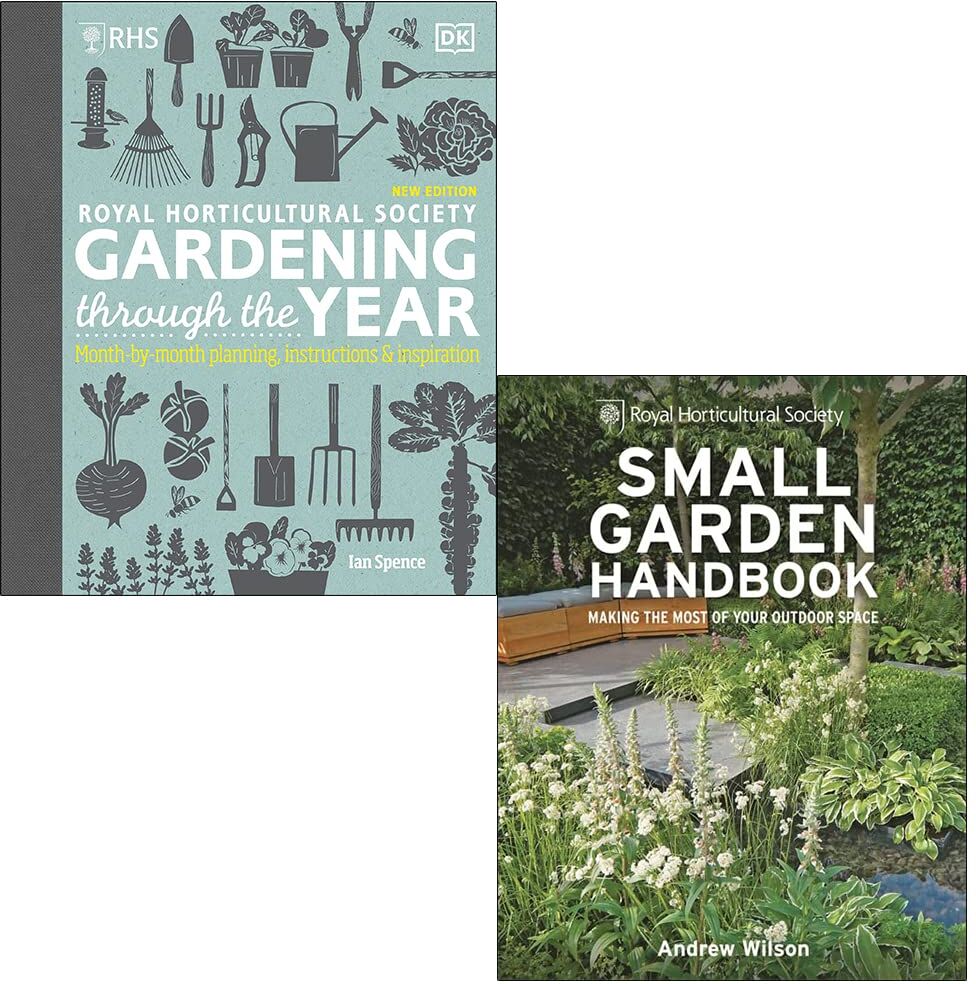
DK RHS Gardening Through the Year & Small Garden Handbook 2 Book Set – Seasonal Gardening & Design GuideRHS Gardening Through the Year By Ian Spence & RHS Small Garden Handbook By Andrew Wilson 2 Books Collection Set: RHS Gardening Through the Year: Find out when the best time is for pruning rose bushes, when your potatoes will be ready to harvest, how to keep your lawn green and well-fed, and learn how to plan ahead with this comprehensive gardening book. Keep on top of garden tasks with month-by-month chapters, "Last Chance" reminders, "Get Ahead" tips, and handy to-do lists. This RHS book will make gardening easier by providing helpful guidelines and realistic advice, so you can plan out your time efficiently and effectively. Packed with beautiful photo galleries that showcase each month's "Star Plant", you'll be inspired to have your own garden blooming throughout the year! Explore more than 350 different varieties in the A-Z illustrated plant directory. RHS Small Garden Handbook: RHS Small Garden Handbook provides an all-in-one guide for small space gardeners and draws on the experience in growing, planting, landscaping and design for which the RHS is world famous. It begins by explaining how to assess your plot so that you are aware of the soil, orientation, microclimate, existing materials and proportions that you have to work with, before revealing the principles of good design. Showing how your decisions on layout, colour and texture will affect the finished design and what tricks can be played to create a greater sense of space - with everything from expert design advice on boundaries, hedges and fences to clever ideas for containers and storage - every gardener will gain confidence in creating a garden to enjoy no matter how big the plot.19,95 £*Shipping: 2,99 £Secure redirect to the provider
-
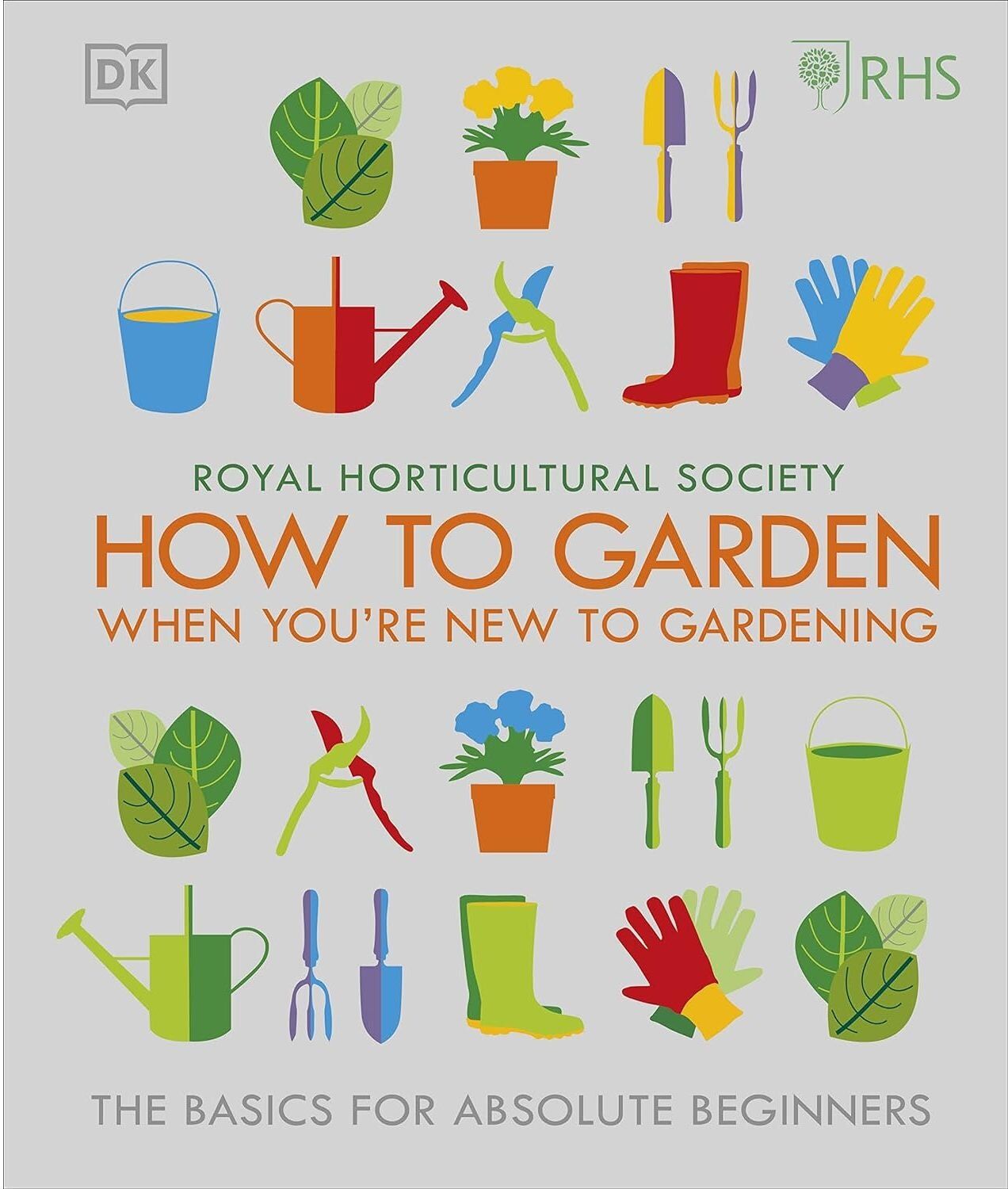
DK How to Garden When You’re New to Gardening by Royal Horticultural Society – Beginner’s Guide to Gardening BasicsIf the desire to start a garden has been planted in your heart, then this essential guide is a wonderful companion to accompany you on your new adventure!If you're not sure of the first steps to take, this handbook takes the anxiety out of plotting and planting and equips you with all the know-how and confidence you need to get digging into your garden.Creating a garden that you can enjoy and keep looking beautiful all year round is easier than you think!With the expertise of the Royal Horticultural Society, you'll find simple step-by-step instructions, with clear images to help you create your dream garden, no matter the size and scale.Get to know your garden and choose plants that will grow well in particular soil types and conditions year after year. From growing root crop to cutting back ivy, this book gives you lots of simple garden ideas and projects that you can do yourself.Even if you've never sowed a seed or pulled a weed, RHS How to Garden When You're New To Gardening contains everything you need to kickstart your new outdoor hobby! This refreshingly accessible book is perfect for the novice gardener who wants to make the most of whatever garden they have.Your Guide to Creating the Garden of Your DreamsDo you want to create a garden you can show off with pride? Would you like to grow your own food? This book will get you started quickly! By following the simple steps and projects outlined in this book, you will reap instant rewards and long-term successes so that you can enjoy your garden in all seasons.Inside the pages of this comprehensive gardening book, you'll discover:- Clear definitions and descriptions of the different types of plants.- Tips on choosing the type of garden you want.- Easy-to-follow instructions for choosing the right plants for your soil.- Simple step-by-step instructions to producing your first crop.- Practical gardening advice on planting, growing, and caring for different plants.7,99 £*Shipping: 2,99 £Secure redirect to the provider


-
How are mitochondria formed?
Mitochondria are formed through a process called mitochondrial biogenesis, which involves the growth and division of existing mitochondria. Mitochondria have their own DNA and can replicate independently of the cell's nucleus. When a cell needs more energy, it signals for the production of new mitochondria through a complex interplay of signaling pathways and regulatory proteins. This process ensures that the cell has an adequate supply of mitochondria to meet its energy demands. **
-
How did mitochondria originate?
Mitochondria are believed to have originated from a symbiotic relationship between an ancestral eukaryotic cell and an ancient prokaryotic organism, specifically an alpha-proteobacteria. This symbiotic relationship is thought to have occurred around 1.5 billion years ago, with the prokaryotic organism being engulfed by the eukaryotic cell but not digested. Over time, this prokaryotic organism evolved into the mitochondria we see in eukaryotic cells today. This theory is supported by the fact that mitochondria have their own DNA, similar to that of bacteria, and replicate independently of the host cell. **
-
What are prokaryotes and mitochondria?
Prokaryotes are single-celled organisms that lack a nucleus and other membrane-bound organelles. They are typically smaller and simpler in structure compared to eukaryotic cells. Prokaryotes include bacteria and archaea. Mitochondria are membrane-bound organelles found in eukaryotic cells. They are often referred to as the "powerhouses" of the cell because they generate energy in the form of ATP through a process called cellular respiration. Mitochondria have their own DNA and are thought to have originated from a symbiotic relationship between an ancestral eukaryotic cell and a prokaryotic cell. **
-
What are mitochondria and chloroplasts?
Mitochondria are membrane-bound organelles found in the cells of eukaryotic organisms, responsible for producing energy in the form of ATP through cellular respiration. They have their own DNA and are thought to have originated from ancient bacteria through endosymbiosis. Chloroplasts are also membrane-bound organelles found in plant cells and some protists, responsible for photosynthesis, the process by which they convert sunlight into energy-rich molecules like glucose. Like mitochondria, chloroplasts also have their own DNA and are believed to have originated from ancient photosynthetic bacteria through endosymbiosis. **


Do all cells have mitochondria?
No, not all cells have mitochondria. Mitochondria are organelles found in eukaryotic cells, which are cells that have a true nucleus and membrane-bound organelles. Prokaryotic cells, such as bacteria, do not have mitochondria. Additionally, some eukaryotic cells, like red blood cells, lose their mitochondria as they mature. **
Do animal cells have mitochondria?
Yes, animal cells do have mitochondria. Mitochondria are known as the powerhouse of the cell because they are responsible for producing energy in the form of ATP through a process called cellular respiration. This organelle is found in most eukaryotic cells, including animal cells, and plays a crucial role in metabolism and energy production. **
Top-Angebote
Products related to Mitochondria:
-
Inspired Finds Mini LED Water Fogger Mist Maker With Pumpkin Light For Halloween Fountains Ponds & Party Decorations Mini LED Water Fogger Mist Maker With Pumpkin Light For Halloween Fountains Ponds & Party DecorationsCreate an enchanting atmosphere with our LED water fogger, designed to produce a cool, mysterious mist for seasonal displays and decorative water features. Using ultrasonic mist maker technology, this compact device transforms water into a fine fog...34,99 $*Shipping: 0,00 $Secure redirect to the provider
-
Multisell Products Hub Artificial Aquatic Plants, Green Grass For Aquarium Landscaping Decor 3pcs 25cmTransform Your Aquarium with Artificial Aquatic Plants Bring life to your fish tank with 3 pcs Artificial Plastic Green Grass Aquatic Plants. Crafted from durable, highquality plastic, these plants offer a realistic look while maintaining...34,97 $*Shipping: 0,00 $Secure redirect to the provider
-
Inspire Select Glow Silicone Aquarium Plants Fluorescent Aquatic Grass & Coral Decor For Fish Tank Landscaping green Water GrassTurn your aquarium into a glowing underwater paradise that instantly grabs attention and makes your fish tank feel alive. These fluorescent aquarium plants are designed to add vibrant color, depth, and natural beautywithout the upkeep of real...53,99 $*Shipping: 0,00 $Secure redirect to the provider
-
Frances Lincoln New Wild Garden & RHS Wildlife Gardening 2 Books Collection Set – Gardening Guide CollectionNew Wild Garden Natural-style planting and practicalities By Ian Hodgson & RHS Companion To Wildlife Gardening By Chris Baines 2 Books Collection Set: New Wild Garden: Natural-style planting and practicalities: The New Wild Garden combines new approaches to a more naturalistic design with the practical side of growing wildflowers and shows how to incorporate wildflowers, real meadows and a looser prarie-style planting into gardens and wild spaces.With serious concern into the decline of pollinators and habitats, meadows are currently the focus of enormous creativity. Gardeners, wildlife lovers, professional designers and seed manufacturers are all pushing the envelope of what can be grown, the pictorial effects that can be achieved, and the benefits that this provides for gardeners and wildlife. RHS Companion to Wildlife Gardening: This best-selling book was first published as How to Make a Wildlife Garden, and launched at the 1985 Chelsea Flower Show, making wildlife a mainstream issue for gardeners and the public. Now fully revised and updated by the author, this beautiful new freshly illustrated edition highlights the changes in garden wildlife over the past 35 years.Incorporating RHS research, updated best practice and addressing a multitude of controversial conservation issues, this stunning guide is also a celebration of the rich variety of wild plants and animals that can bring a beautiful garden to life.16,49 £*Shipping: 2,99 £Secure redirect to the provider
-
What are mitochondria?
Mitochondria are membrane-bound organelles found in the cells of most eukaryotic organisms. They are often referred to as the powerhouse of the cell because they are responsible for producing the majority of the cell's energy in the form of adenosine triphosphate (ATP) through a process called cellular respiration. Mitochondria have their own DNA and are believed to have originated from ancient bacteria that were engulfed by a primitive eukaryotic cell through a process called endosymbiosis. They play a crucial role in various cellular functions, including metabolism, signaling, and cell death. **
-
Why are mitochondria important?
Mitochondria are important because they are the powerhouse of the cell, producing the majority of the cell's energy in the form of ATP through the process of cellular respiration. This energy is essential for various cellular functions, including growth, repair, and division. Additionally, mitochondria play a crucial role in regulating cell metabolism, signaling, and cell death. Dysfunction of mitochondria has been linked to various diseases, highlighting their importance in overall cellular health and function. **
-
How are mitochondria formed?
Mitochondria are formed through a process called mitochondrial biogenesis, which involves the growth and division of existing mitochondria. Mitochondria have their own DNA and can replicate independently of the cell's nucleus. When a cell needs more energy, it signals for the production of new mitochondria through a complex interplay of signaling pathways and regulatory proteins. This process ensures that the cell has an adequate supply of mitochondria to meet its energy demands. **
-
How did mitochondria originate?
Mitochondria are believed to have originated from a symbiotic relationship between an ancestral eukaryotic cell and an ancient prokaryotic organism, specifically an alpha-proteobacteria. This symbiotic relationship is thought to have occurred around 1.5 billion years ago, with the prokaryotic organism being engulfed by the eukaryotic cell but not digested. Over time, this prokaryotic organism evolved into the mitochondria we see in eukaryotic cells today. This theory is supported by the fact that mitochondria have their own DNA, similar to that of bacteria, and replicate independently of the host cell. **
Similar search terms for Mitochondria
-
DK RHS Gardening Through the Year & Small Garden Handbook 2 Book Set – Seasonal Gardening & Design GuideRHS Gardening Through the Year By Ian Spence & RHS Small Garden Handbook By Andrew Wilson 2 Books Collection Set: RHS Gardening Through the Year: Find out when the best time is for pruning rose bushes, when your potatoes will be ready to harvest, how to keep your lawn green and well-fed, and learn how to plan ahead with this comprehensive gardening book. Keep on top of garden tasks with month-by-month chapters, "Last Chance" reminders, "Get Ahead" tips, and handy to-do lists. This RHS book will make gardening easier by providing helpful guidelines and realistic advice, so you can plan out your time efficiently and effectively. Packed with beautiful photo galleries that showcase each month's "Star Plant", you'll be inspired to have your own garden blooming throughout the year! Explore more than 350 different varieties in the A-Z illustrated plant directory. RHS Small Garden Handbook: RHS Small Garden Handbook provides an all-in-one guide for small space gardeners and draws on the experience in growing, planting, landscaping and design for which the RHS is world famous. It begins by explaining how to assess your plot so that you are aware of the soil, orientation, microclimate, existing materials and proportions that you have to work with, before revealing the principles of good design. Showing how your decisions on layout, colour and texture will affect the finished design and what tricks can be played to create a greater sense of space - with everything from expert design advice on boundaries, hedges and fences to clever ideas for containers and storage - every gardener will gain confidence in creating a garden to enjoy no matter how big the plot.19,95 £*Shipping: 2,99 £Secure redirect to the provider
-
DK How to Garden When You’re New to Gardening by Royal Horticultural Society – Beginner’s Guide to Gardening BasicsIf the desire to start a garden has been planted in your heart, then this essential guide is a wonderful companion to accompany you on your new adventure!If you're not sure of the first steps to take, this handbook takes the anxiety out of plotting and planting and equips you with all the know-how and confidence you need to get digging into your garden.Creating a garden that you can enjoy and keep looking beautiful all year round is easier than you think!With the expertise of the Royal Horticultural Society, you'll find simple step-by-step instructions, with clear images to help you create your dream garden, no matter the size and scale.Get to know your garden and choose plants that will grow well in particular soil types and conditions year after year. From growing root crop to cutting back ivy, this book gives you lots of simple garden ideas and projects that you can do yourself.Even if you've never sowed a seed or pulled a weed, RHS How to Garden When You're New To Gardening contains everything you need to kickstart your new outdoor hobby! This refreshingly accessible book is perfect for the novice gardener who wants to make the most of whatever garden they have.Your Guide to Creating the Garden of Your DreamsDo you want to create a garden you can show off with pride? Would you like to grow your own food? This book will get you started quickly! By following the simple steps and projects outlined in this book, you will reap instant rewards and long-term successes so that you can enjoy your garden in all seasons.Inside the pages of this comprehensive gardening book, you'll discover:- Clear definitions and descriptions of the different types of plants.- Tips on choosing the type of garden you want.- Easy-to-follow instructions for choosing the right plants for your soil.- Simple step-by-step instructions to producing your first crop.- Practical gardening advice on planting, growing, and caring for different plants.7,99 £*Shipping: 2,99 £Secure redirect to the provider
-
Inspire Select Glow Silicone Aquarium Plants Fluorescent Aquatic Grass & Coral Decor For Fish Tank Landscaping blue Water GrassTurn your aquarium into a glowing underwater paradise that instantly grabs attention and makes your fish tank feel alive. These fluorescent aquarium plants are designed to add vibrant color, depth, and natural beautywithout the upkeep of real...53,96 $*Shipping: 0,00 $Secure redirect to the provider
-
Inspire Select Glow Silicone Aquarium Plants Fluorescent Aquatic Grass & Coral Decor For Fish Tank Landscaping orange Water GrassTurn your aquarium into a glowing underwater paradise that instantly grabs attention and makes your fish tank feel alive. These fluorescent aquarium plants are designed to add vibrant color, depth, and natural beautywithout the upkeep of real...52,94 $*Shipping: 0,00 $Secure redirect to the provider
-
What are prokaryotes and mitochondria?
Prokaryotes are single-celled organisms that lack a nucleus and other membrane-bound organelles. They are typically smaller and simpler in structure compared to eukaryotic cells. Prokaryotes include bacteria and archaea. Mitochondria are membrane-bound organelles found in eukaryotic cells. They are often referred to as the "powerhouses" of the cell because they generate energy in the form of ATP through a process called cellular respiration. Mitochondria have their own DNA and are thought to have originated from a symbiotic relationship between an ancestral eukaryotic cell and a prokaryotic cell. **
-
What are mitochondria and chloroplasts?
Mitochondria are membrane-bound organelles found in the cells of eukaryotic organisms, responsible for producing energy in the form of ATP through cellular respiration. They have their own DNA and are thought to have originated from ancient bacteria through endosymbiosis. Chloroplasts are also membrane-bound organelles found in plant cells and some protists, responsible for photosynthesis, the process by which they convert sunlight into energy-rich molecules like glucose. Like mitochondria, chloroplasts also have their own DNA and are believed to have originated from ancient photosynthetic bacteria through endosymbiosis. **
-
Do all cells have mitochondria?
No, not all cells have mitochondria. Mitochondria are organelles found in eukaryotic cells, which are cells that have a true nucleus and membrane-bound organelles. Prokaryotic cells, such as bacteria, do not have mitochondria. Additionally, some eukaryotic cells, like red blood cells, lose their mitochondria as they mature. **
-
Do animal cells have mitochondria?
Yes, animal cells do have mitochondria. Mitochondria are known as the powerhouse of the cell because they are responsible for producing energy in the form of ATP through a process called cellular respiration. This organelle is found in most eukaryotic cells, including animal cells, and plays a crucial role in metabolism and energy production. **
* All prices are inclusive of VAT and, if applicable, plus shipping costs. The offer information is based on the details provided by the respective shop and is updated through automated processes. Real-time updates do not occur, so deviations can occur in individual cases. ** Note: Parts of this content were created by AI.