Buy wassergaertner.eu ?
We are moving the project
wassergaertner.eu .
Are you interested in purchasing the domain
wassergaertner.eu ?
domain@kv-gmbh.de · 0541-91531010
Buy wassergaertner.eu ?
What is the significance of trophic levels for biomass in aquatic ecosystems?
Trophic levels in aquatic ecosystems play a crucial role in determining the amount of biomass present at each level of the food chain. As energy is transferred from one trophic level to the next, there is a decrease in biomass due to energy loss through respiration, heat, and waste. This decrease in biomass helps regulate the overall productivity and balance within the ecosystem. Understanding trophic levels and biomass distribution is essential for managing and conserving aquatic ecosystems, as it provides insights into the health and stability of these systems. **
What is the significance of the trophic level for biomass in aquatic ecosystems?
The trophic level is significant for biomass in aquatic ecosystems because it represents the position of an organism in the food chain and its energy transfer within the ecosystem. Each trophic level represents a different level of energy and biomass accumulation, with primary producers at the bottom and top predators at the top. Understanding the distribution of biomass across trophic levels is important for understanding the flow of energy and nutrients within the ecosystem, as well as for predicting the impact of changes in one trophic level on the rest of the ecosystem. Additionally, the biomass at each trophic level can indicate the overall health and productivity of the ecosystem. **
Similar search terms for Ecosystems
Top-Angebote
Products related to Ecosystems:
-
Inspired Finds Mini LED Water Fogger Mist Maker With Pumpkin Light For Halloween Fountains Ponds & Party Decorations Mini LED Water Fogger Mist Maker With Pumpkin Light For Halloween Fountains Ponds & Party DecorationsCreate an enchanting atmosphere with our LED water fogger, designed to produce a cool, mysterious mist for seasonal displays and decorative water features. Using ultrasonic mist maker technology, this compact device transforms water into a fine fog...34,99 $*Shipping: 0,00 $Secure redirect to the provider
-
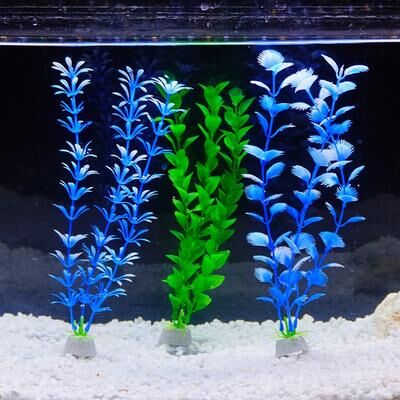
Inspire Select Glow Silicone Aquarium Plants Fluorescent Aquatic Grass & Coral Decor For Fish Tank Landscaping blue Water GrassTurn your aquarium into a glowing underwater paradise that instantly grabs attention and makes your fish tank feel alive. These fluorescent aquarium plants are designed to add vibrant color, depth, and natural beautywithout the upkeep of real...53,96 $*Shipping: 0,00 $Secure redirect to the provider
-
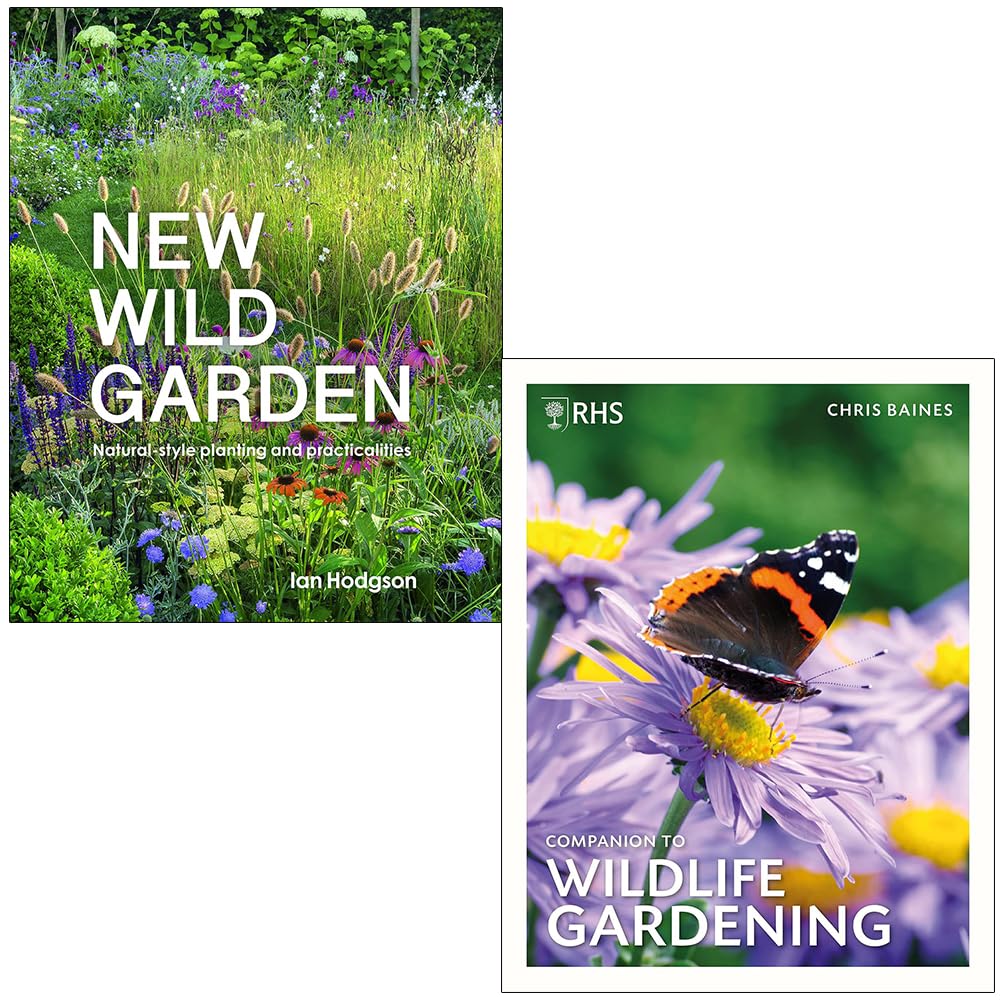
Frances Lincoln New Wild Garden & RHS Wildlife Gardening 2 Books Collection Set – Gardening Guide CollectionNew Wild Garden Natural-style planting and practicalities By Ian Hodgson & RHS Companion To Wildlife Gardening By Chris Baines 2 Books Collection Set: New Wild Garden: Natural-style planting and practicalities: The New Wild Garden combines new approaches to a more naturalistic design with the practical side of growing wildflowers and shows how to incorporate wildflowers, real meadows and a looser prarie-style planting into gardens and wild spaces.With serious concern into the decline of pollinators and habitats, meadows are currently the focus of enormous creativity. Gardeners, wildlife lovers, professional designers and seed manufacturers are all pushing the envelope of what can be grown, the pictorial effects that can be achieved, and the benefits that this provides for gardeners and wildlife. RHS Companion to Wildlife Gardening: This best-selling book was first published as How to Make a Wildlife Garden, and launched at the 1985 Chelsea Flower Show, making wildlife a mainstream issue for gardeners and the public. Now fully revised and updated by the author, this beautiful new freshly illustrated edition highlights the changes in garden wildlife over the past 35 years.Incorporating RHS research, updated best practice and addressing a multitude of controversial conservation issues, this stunning guide is also a celebration of the rich variety of wild plants and animals that can bring a beautiful garden to life.16,49 £*Shipping: 2,99 £Secure redirect to the provider
-
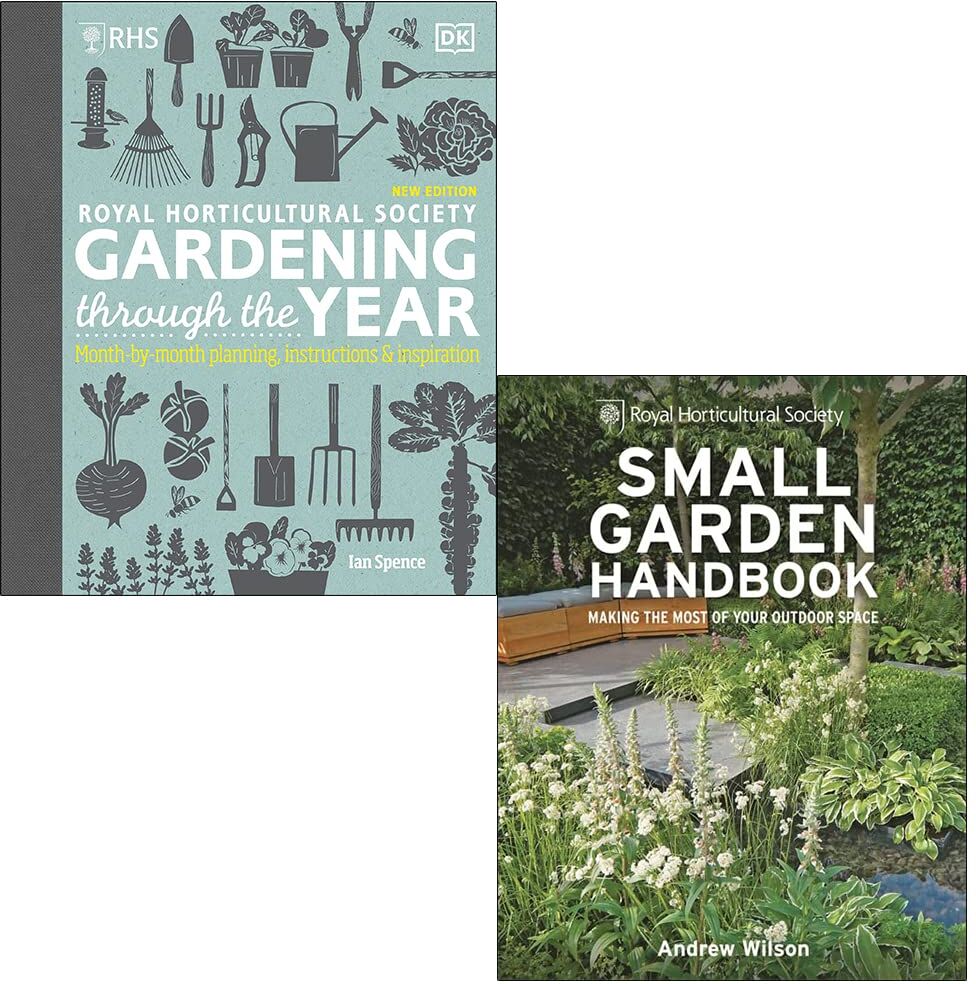
DK RHS Gardening Through the Year & Small Garden Handbook 2 Book Set – Seasonal Gardening & Design GuideRHS Gardening Through the Year By Ian Spence & RHS Small Garden Handbook By Andrew Wilson 2 Books Collection Set: RHS Gardening Through the Year: Find out when the best time is for pruning rose bushes, when your potatoes will be ready to harvest, how to keep your lawn green and well-fed, and learn how to plan ahead with this comprehensive gardening book. Keep on top of garden tasks with month-by-month chapters, "Last Chance" reminders, "Get Ahead" tips, and handy to-do lists. This RHS book will make gardening easier by providing helpful guidelines and realistic advice, so you can plan out your time efficiently and effectively. Packed with beautiful photo galleries that showcase each month's "Star Plant", you'll be inspired to have your own garden blooming throughout the year! Explore more than 350 different varieties in the A-Z illustrated plant directory. RHS Small Garden Handbook: RHS Small Garden Handbook provides an all-in-one guide for small space gardeners and draws on the experience in growing, planting, landscaping and design for which the RHS is world famous. It begins by explaining how to assess your plot so that you are aware of the soil, orientation, microclimate, existing materials and proportions that you have to work with, before revealing the principles of good design. Showing how your decisions on layout, colour and texture will affect the finished design and what tricks can be played to create a greater sense of space - with everything from expert design advice on boundaries, hedges and fences to clever ideas for containers and storage - every gardener will gain confidence in creating a garden to enjoy no matter how big the plot.19,95 £*Shipping: 2,99 £Secure redirect to the provider


-
Do closed ecosystems work in aquaristics?
Closed ecosystems, also known as self-sustaining ecosystems, can work in aquaristics under the right conditions. These ecosystems can be created in a sealed environment such as a fish tank, where the balance of plants, animals, and microorganisms can sustain themselves without external inputs. However, maintaining a truly closed ecosystem can be challenging, as it requires careful monitoring and management to ensure that all components are in balance. Additionally, closed ecosystems may not be suitable for all types of aquatic life, and some species may require more specific environmental conditions that cannot be fully replicated in a closed system. **
-
What ecosystems are there in Germany?
Germany is home to a variety of ecosystems, including forests, grasslands, wetlands, rivers, lakes, and coastal areas. The country's diverse landscapes support a wide range of plant and animal species, making it a rich and important biodiversity hotspot. These ecosystems are carefully managed and protected through national parks, nature reserves, and conservation efforts to ensure their preservation for future generations. **
-
What do you do during a student internship in landscaping and gardening (gardening and landscaping/gardening)?
During a student internship in landscaping and gardening, you would typically assist with various tasks such as planting, weeding, watering, and pruning plants. You may also help with landscape design, installation of hardscape features, and maintenance of outdoor spaces. Additionally, you may have the opportunity to learn about soil preparation, pest control, and proper use of gardening tools and equipment. Overall, the internship provides hands-on experience in all aspects of landscaping and gardening, allowing you to gain valuable skills and knowledge in the field. **
-
How do material cycles work in ecosystems?
Material cycles in ecosystems involve the movement and recycling of essential elements such as carbon, nitrogen, and phosphorus. These elements are taken up by plants from the soil or water, and then transferred to herbivores when they consume the plants. When the herbivores are eaten by carnivores, the elements are further transferred up the food chain. When organisms die, their bodies decompose, releasing the elements back into the environment to be taken up by plants again. This continuous cycling of materials ensures that essential elements are constantly being recycled and made available for use by different organisms in the ecosystem. **

What are natural or near-natural ecosystems?
Natural or near-natural ecosystems are areas of land or water that have not been significantly altered by human activity. These ecosystems are characterized by a high degree of biodiversity and are home to a wide variety of plant and animal species. They are often self-sustaining and have complex interactions between different organisms and their environment. Examples of natural or near-natural ecosystems include old-growth forests, coral reefs, and wetlands. These ecosystems are important for maintaining ecological balance and providing essential services such as clean water, air, and habitat for wildlife. **
Why are streams or rivers open ecosystems?
Streams or rivers are open ecosystems because they are constantly exchanging energy and materials with their surrounding environment. They receive inputs of water, nutrients, and organic matter from the surrounding land, and they also release water and nutrients downstream. This constant flow of materials and energy allows for a high level of biodiversity and dynamic interactions between the organisms and their environment. Additionally, streams and rivers are often connected to other ecosystems such as wetlands, forests, and lakes, further contributing to their open nature. **
Top-Angebote
Products related to Ecosystems:
-
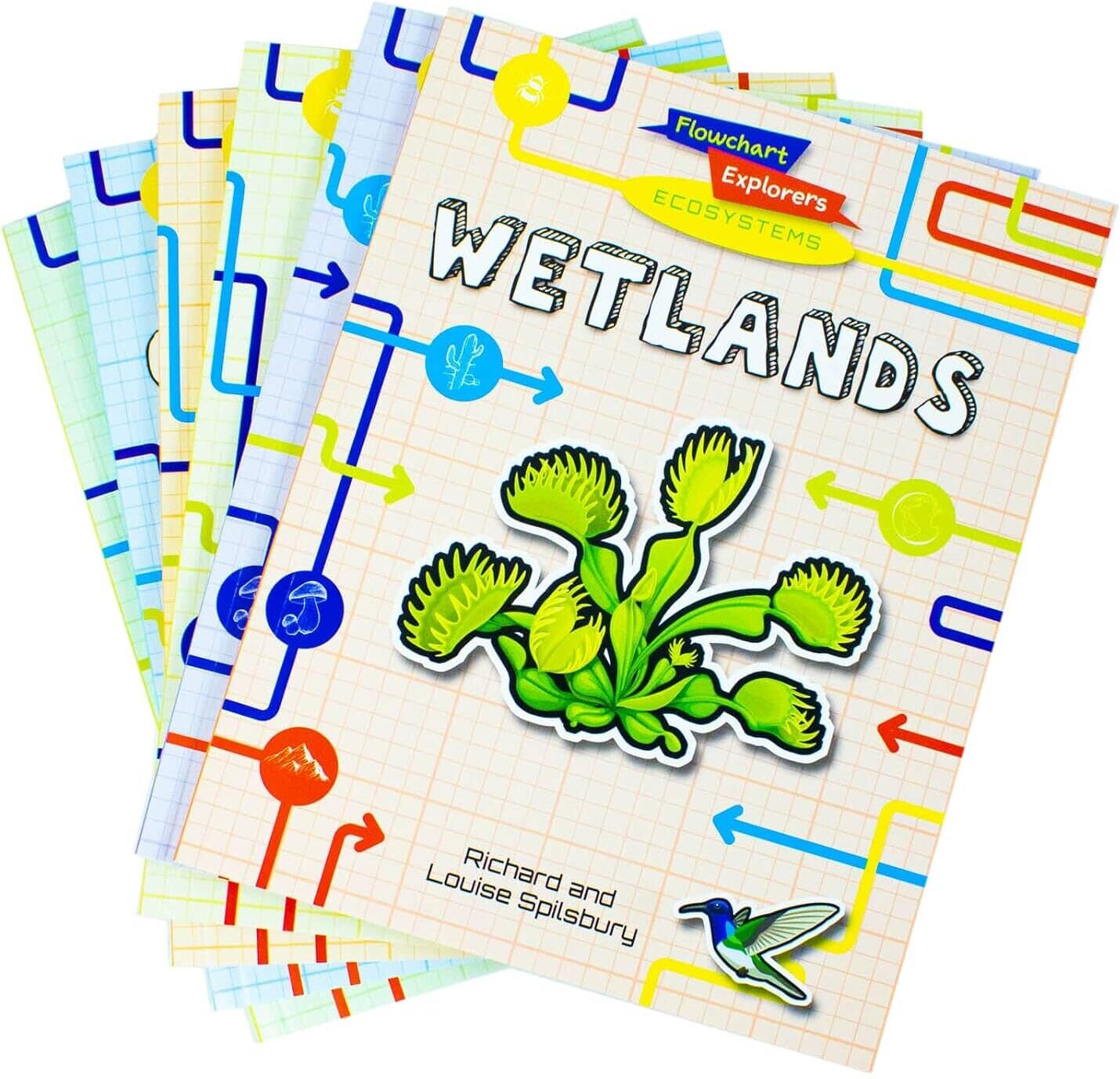
Flowchart Explorers Ecosystems Series 6 Books Collection Set - Ages 9-11 - Paperback Fox Eye PublishingEmbark on a journey of discovery with the "Flowchart Explorers Ecosystems STEM" 6-book set! Explore the wonders of deserts, grasslands, mountains, oceans, rainforests, and wetlands through engaging geography and science books. Titles In This Set: Deserts Grasslands Mountains Oceans Rain Forests Wetlands Description: Deserts Journey into the arid landscapes of deserts and uncover the unique adaptations of plants and animals to survive in extreme conditions. Explore the shifting sands and the fascinating life that thrives in these seemingly barren environments. Grasslands Roam the vast plains of grasslands and discover the rich biodiversity of these expansive ecosystems. Learn about the diverse wildlife, from grazing herbivores to cunning predators, and the essential role grasslands play in supporting life on Earth. Mountains Ascend to the towering peaks of mountains and explore the rugged terrain of these majestic landscapes. Discover the geological forces that shape mountains, the hardy flora and fauna that inhabit them, and the challenges of living at high altitudes. Oceans Dive into the depths of the oceans and unlock the mysteries of the world's largest and most vital ecosystems. From the sunlit surface to the abyssal depths, explore the incredible diversity of marine life and the interconnectedness of oceanic processes. Rain Forests Venture into the lush green canopies of rainforests and marvel at the incredible biodiversity found within these vibrant ecosystems. Discover the intricate relationships between plants, animals, and indigenous peoples, and the importance of conserving these irreplaceable habitats. Wetlands Wade into the tranquil waters of wetlands and explore the dynamic landscapes where water meets land. Learn about the diverse array of wetland ecosystems, from marshes to swamps, and their crucial role in filtering water, mitigating floods, and providing habitat for countless species.13,95 £*Shipping: 2,99 £Secure redirect to the provider
-
Multisell Products Hub Artificial Aquatic Plants, Green Grass For Aquarium Landscaping Decor 3pcs 25cmTransform Your Aquarium with Artificial Aquatic Plants Bring life to your fish tank with 3 pcs Artificial Plastic Green Grass Aquatic Plants. Crafted from durable, highquality plastic, these plants offer a realistic look while maintaining...34,97 $*Shipping: 0,00 $Secure redirect to the provider
-
Inspired Finds Mini LED Water Fogger Mist Maker With Pumpkin Light For Halloween Fountains Ponds & Party Decorations Mini LED Water Fogger Mist Maker With Pumpkin Light For Halloween Fountains Ponds & Party DecorationsCreate an enchanting atmosphere with our LED water fogger, designed to produce a cool, mysterious mist for seasonal displays and decorative water features. Using ultrasonic mist maker technology, this compact device transforms water into a fine fog...34,99 $*Shipping: 0,00 $Secure redirect to the provider
-
Inspire Select Glow Silicone Aquarium Plants Fluorescent Aquatic Grass & Coral Decor For Fish Tank Landscaping blue Water GrassTurn your aquarium into a glowing underwater paradise that instantly grabs attention and makes your fish tank feel alive. These fluorescent aquarium plants are designed to add vibrant color, depth, and natural beautywithout the upkeep of real...53,96 $*Shipping: 0,00 $Secure redirect to the provider
-
What is the significance of trophic levels for biomass in aquatic ecosystems?
Trophic levels in aquatic ecosystems play a crucial role in determining the amount of biomass present at each level of the food chain. As energy is transferred from one trophic level to the next, there is a decrease in biomass due to energy loss through respiration, heat, and waste. This decrease in biomass helps regulate the overall productivity and balance within the ecosystem. Understanding trophic levels and biomass distribution is essential for managing and conserving aquatic ecosystems, as it provides insights into the health and stability of these systems. **
-
What is the significance of the trophic level for biomass in aquatic ecosystems?
The trophic level is significant for biomass in aquatic ecosystems because it represents the position of an organism in the food chain and its energy transfer within the ecosystem. Each trophic level represents a different level of energy and biomass accumulation, with primary producers at the bottom and top predators at the top. Understanding the distribution of biomass across trophic levels is important for understanding the flow of energy and nutrients within the ecosystem, as well as for predicting the impact of changes in one trophic level on the rest of the ecosystem. Additionally, the biomass at each trophic level can indicate the overall health and productivity of the ecosystem. **
-
Do closed ecosystems work in aquaristics?
Closed ecosystems, also known as self-sustaining ecosystems, can work in aquaristics under the right conditions. These ecosystems can be created in a sealed environment such as a fish tank, where the balance of plants, animals, and microorganisms can sustain themselves without external inputs. However, maintaining a truly closed ecosystem can be challenging, as it requires careful monitoring and management to ensure that all components are in balance. Additionally, closed ecosystems may not be suitable for all types of aquatic life, and some species may require more specific environmental conditions that cannot be fully replicated in a closed system. **
-
What ecosystems are there in Germany?
Germany is home to a variety of ecosystems, including forests, grasslands, wetlands, rivers, lakes, and coastal areas. The country's diverse landscapes support a wide range of plant and animal species, making it a rich and important biodiversity hotspot. These ecosystems are carefully managed and protected through national parks, nature reserves, and conservation efforts to ensure their preservation for future generations. **
Similar search terms for Ecosystems
-
Frances Lincoln New Wild Garden & RHS Wildlife Gardening 2 Books Collection Set – Gardening Guide CollectionNew Wild Garden Natural-style planting and practicalities By Ian Hodgson & RHS Companion To Wildlife Gardening By Chris Baines 2 Books Collection Set: New Wild Garden: Natural-style planting and practicalities: The New Wild Garden combines new approaches to a more naturalistic design with the practical side of growing wildflowers and shows how to incorporate wildflowers, real meadows and a looser prarie-style planting into gardens and wild spaces.With serious concern into the decline of pollinators and habitats, meadows are currently the focus of enormous creativity. Gardeners, wildlife lovers, professional designers and seed manufacturers are all pushing the envelope of what can be grown, the pictorial effects that can be achieved, and the benefits that this provides for gardeners and wildlife. RHS Companion to Wildlife Gardening: This best-selling book was first published as How to Make a Wildlife Garden, and launched at the 1985 Chelsea Flower Show, making wildlife a mainstream issue for gardeners and the public. Now fully revised and updated by the author, this beautiful new freshly illustrated edition highlights the changes in garden wildlife over the past 35 years.Incorporating RHS research, updated best practice and addressing a multitude of controversial conservation issues, this stunning guide is also a celebration of the rich variety of wild plants and animals that can bring a beautiful garden to life.16,49 £*Shipping: 2,99 £Secure redirect to the provider
-
DK RHS Gardening Through the Year & Small Garden Handbook 2 Book Set – Seasonal Gardening & Design GuideRHS Gardening Through the Year By Ian Spence & RHS Small Garden Handbook By Andrew Wilson 2 Books Collection Set: RHS Gardening Through the Year: Find out when the best time is for pruning rose bushes, when your potatoes will be ready to harvest, how to keep your lawn green and well-fed, and learn how to plan ahead with this comprehensive gardening book. Keep on top of garden tasks with month-by-month chapters, "Last Chance" reminders, "Get Ahead" tips, and handy to-do lists. This RHS book will make gardening easier by providing helpful guidelines and realistic advice, so you can plan out your time efficiently and effectively. Packed with beautiful photo galleries that showcase each month's "Star Plant", you'll be inspired to have your own garden blooming throughout the year! Explore more than 350 different varieties in the A-Z illustrated plant directory. RHS Small Garden Handbook: RHS Small Garden Handbook provides an all-in-one guide for small space gardeners and draws on the experience in growing, planting, landscaping and design for which the RHS is world famous. It begins by explaining how to assess your plot so that you are aware of the soil, orientation, microclimate, existing materials and proportions that you have to work with, before revealing the principles of good design. Showing how your decisions on layout, colour and texture will affect the finished design and what tricks can be played to create a greater sense of space - with everything from expert design advice on boundaries, hedges and fences to clever ideas for containers and storage - every gardener will gain confidence in creating a garden to enjoy no matter how big the plot.19,95 £*Shipping: 2,99 £Secure redirect to the provider
-
Inspire Select Glow Silicone Aquarium Plants Fluorescent Aquatic Grass & Coral Decor For Fish Tank Landscaping green Water GrassTurn your aquarium into a glowing underwater paradise that instantly grabs attention and makes your fish tank feel alive. These fluorescent aquarium plants are designed to add vibrant color, depth, and natural beautywithout the upkeep of real...53,99 $*Shipping: 0,00 $Secure redirect to the provider
-
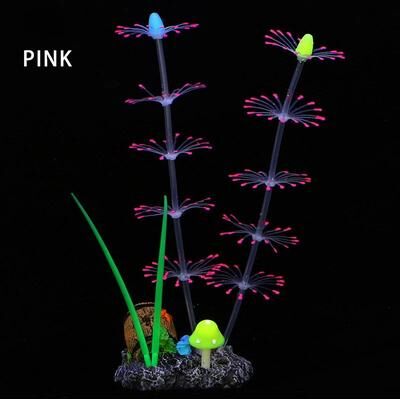
Inspire Select Glow Silicone Aquarium Plants Fluorescent Aquatic Grass & Coral Decor For Fish Tank Landscaping pink Water GrassTurn your aquarium into a glowing underwater paradise that instantly grabs attention and makes your fish tank feel alive. These fluorescent aquarium plants are designed to add vibrant color, depth, and natural beautywithout the upkeep of real...50,96 $*Shipping: 0,00 $Secure redirect to the provider
-
What do you do during a student internship in landscaping and gardening (gardening and landscaping/gardening)?
During a student internship in landscaping and gardening, you would typically assist with various tasks such as planting, weeding, watering, and pruning plants. You may also help with landscape design, installation of hardscape features, and maintenance of outdoor spaces. Additionally, you may have the opportunity to learn about soil preparation, pest control, and proper use of gardening tools and equipment. Overall, the internship provides hands-on experience in all aspects of landscaping and gardening, allowing you to gain valuable skills and knowledge in the field. **
-
How do material cycles work in ecosystems?
Material cycles in ecosystems involve the movement and recycling of essential elements such as carbon, nitrogen, and phosphorus. These elements are taken up by plants from the soil or water, and then transferred to herbivores when they consume the plants. When the herbivores are eaten by carnivores, the elements are further transferred up the food chain. When organisms die, their bodies decompose, releasing the elements back into the environment to be taken up by plants again. This continuous cycling of materials ensures that essential elements are constantly being recycled and made available for use by different organisms in the ecosystem. **
-
What are natural or near-natural ecosystems?
Natural or near-natural ecosystems are areas of land or water that have not been significantly altered by human activity. These ecosystems are characterized by a high degree of biodiversity and are home to a wide variety of plant and animal species. They are often self-sustaining and have complex interactions between different organisms and their environment. Examples of natural or near-natural ecosystems include old-growth forests, coral reefs, and wetlands. These ecosystems are important for maintaining ecological balance and providing essential services such as clean water, air, and habitat for wildlife. **
-
Why are streams or rivers open ecosystems?
Streams or rivers are open ecosystems because they are constantly exchanging energy and materials with their surrounding environment. They receive inputs of water, nutrients, and organic matter from the surrounding land, and they also release water and nutrients downstream. This constant flow of materials and energy allows for a high level of biodiversity and dynamic interactions between the organisms and their environment. Additionally, streams and rivers are often connected to other ecosystems such as wetlands, forests, and lakes, further contributing to their open nature. **
* All prices are inclusive of VAT and, if applicable, plus shipping costs. The offer information is based on the details provided by the respective shop and is updated through automated processes. Real-time updates do not occur, so deviations can occur in individual cases. ** Note: Parts of this content were created by AI.